
The 7 Steps to Lead Generation
The 7 Steps to Lead Generation
Lead generation isn't rocket science. It's a simple process that turns strangers into customers.
Most businesses overcomplicate it. They try fancy tactics that don't work. They waste time on strategies that sound impressive but deliver nothing.
Here's the truth: successful lead generation follows seven straightforward steps. Master these, and you'll never struggle to find new customers again.
Step 1: Attract and Capture Leads
Every lead starts with attraction. You need to pull the right people toward your business.
Create content that solves real problems. Write blog posts that answer questions your customers actually ask. Share tips on social media that provide genuine value.
Don't broadcast to everyone. Target the people who need what you offer.
Once you have their attention, capture their contact information. Use a lead magnet - something valuable they can't resist.
Effective lead magnets include:
- Free guides or ebooks
- Checklists and templates
- Webinars or video tutorials
- Free trials or consultations
- Industry reports
Your lead magnet must solve a specific problem. Make it relevant to your business. If you sell web design services, offer a "Website Checklist" instead of a generic marketing guide.
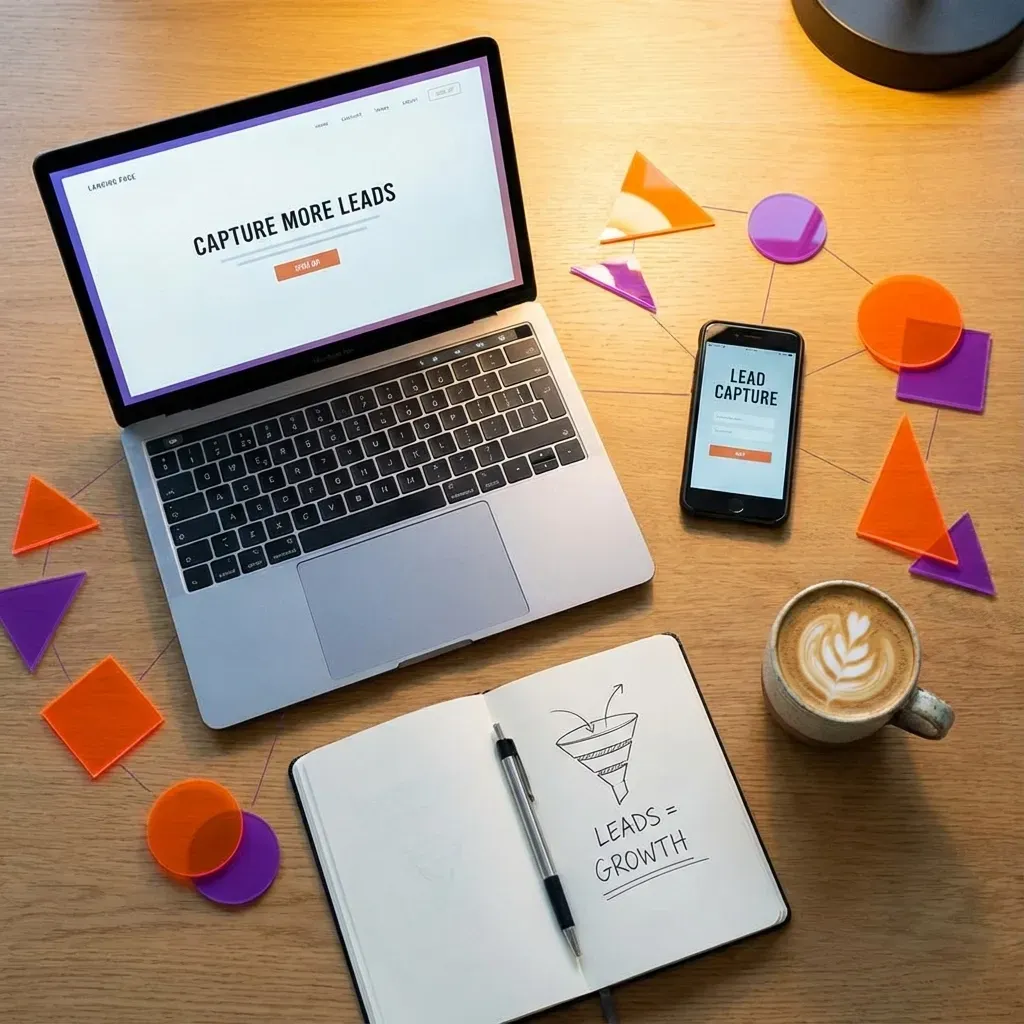
Put your lead magnet on a dedicated landing page. Keep it simple. One offer, one action, no distractions.
Step 2: Segment Your Leads
Not all leads are equal. Some are ready to buy today. Others need months of nurturing.
Organize your leads into groups based on:
- Where they came from (social media, Google, referral)
- What they downloaded (pricing guide vs. general newsletter)
- Their business size or industry
- How they engage with your content
This segmentation lets you send the right message to the right person at the right time.
A prospect who downloaded your pricing guide is closer to buying than someone who just subscribed to your blog. Treat them differently.
Step 3: Qualify Your Leads
Lead qualification separates serious prospects from casual browsers.
Use lead scoring to identify your hottest prospects. Assign points based on actions they take:
- Downloaded a pricing guide: 20 points
- Visited your services page: 15 points
- Opened three emails: 10 points
- Subscribed to newsletter: 5 points
Leads with higher scores get priority attention from your sales team.
Key qualification questions:
- Do they have the budget?
- Do they have the authority to make decisions?
- Do they have a genuine need?
- What's their timeline for purchasing?
Don't waste time on unqualified leads. Focus your energy where it counts.

Step 4: Nurture Your Leads
Most leads aren't ready to buy immediately. They need time to know, like, and trust you.
Lead nurturing builds relationships through consistent, valuable communication. Set up automated email sequences that deliver value over time.
A typical nurturing sequence includes:
- Welcome email - Deliver the lead magnet, set expectations
- Value email - Share helpful tips or insights
- Story email - Tell your business story, build connection
- Social proof email - Share customer success stories
- Offer email - Present your services or products
- Follow-up emails - Continue providing value
Remember: it takes at least seven touchpoints to turn a stranger into a customer. Be patient and consistent.
Send emails based on behavior. If someone visits your pricing page, send pricing information. If they download a guide about SEO, follow up with SEO-related content.
Step 5: Send Leads to Sales
When leads show buying signals, pass them to your sales team immediately.
Strong buying signals include:
- Requesting a quote or consultation
- Asking about pricing multiple times
- Visiting your contact page repeatedly
- Engaging with sales-focused content
Time matters. The faster you respond to hot leads, the higher your conversion rates.
Create clear handoff procedures. Your marketing team should provide context about each lead's journey. What did they download? Which emails did they open? What pages did they visit?
This information helps your sales team have more relevant conversations.

Step 6: Create a Follow-Up Strategy
Follow-up separates successful businesses from struggling ones.
Most prospects won't say yes on the first contact. They need multiple touchpoints before making a decision.
Effective follow-up includes:
- Phone calls within 24 hours of inquiry
- Personalized emails based on their interests
- Valuable content relevant to their needs
- Consistent check-ins without being pushy
Use a CRM system to track all interactions. Set reminders for follow-up calls and emails. Never let a lead fall through the cracks.
Personalization matters. Reference previous conversations. Mention specific challenges they shared. Show you remember and care about their situation.
Step 7: Analyze and Optimize
The best lead generation systems improve continuously.
Track key metrics to understand what's working:
- Conversion rates - How many visitors become leads?
- Cost per lead - How much do you spend to get each lead?
- Lead quality - What percentage of leads become customers?
- Email performance - Which messages get the best response?
- Channel effectiveness - Which sources deliver the best leads?
Use this data to optimize your process. If blog posts generate higher-quality leads than social media, invest more in content marketing.
Test different lead magnets. Try various email subject lines. Experiment with different nurturing sequences.
Small improvements compound over time. A 5% improvement in conversion rates can double your leads within a year.

Common Lead Generation Mistakes
Avoid these costly errors:
Mistake 1: No clear value proposition
Your lead magnet must solve a specific problem. Generic content won't attract quality leads.
Mistake 2: Complicated forms
Ask for minimal information upfront. You can gather more details later in the nurturing process.
Mistake 3: Weak follow-up
Most leads require multiple touchpoints. One email isn't enough.
Mistake 4: Ignoring mobile users
Ensure your landing pages and forms work perfectly on mobile devices.
Mistake 5: No lead scoring
Without qualification, your sales team wastes time on poor prospects.
Your Website: The Lead Generation Hub
Your website should be your lead generation engine. Every page should guide visitors toward becoming leads.
Key elements of a lead-generating website:
- Clear calls-to-action on every page
- Multiple lead magnets for different audiences
- Easy-to-find contact information
- Trust signals like testimonials and reviews
- Mobile-responsive design
Don't let your website be just a digital brochure. Make it work for your business 24/7.
Take Action Now
Lead generation success comes from consistent implementation. Start with step one and work through each phase systematically.
Don't try to perfect everything at once. Launch with something simple, then improve over time.
The businesses that win are the ones that take action while others make excuses.
Ready to transform your lead generation? Your next customer is waiting for you to make the first move.
Contact our team to discuss how we can help you implement these seven steps and start generating more leads for your business.